

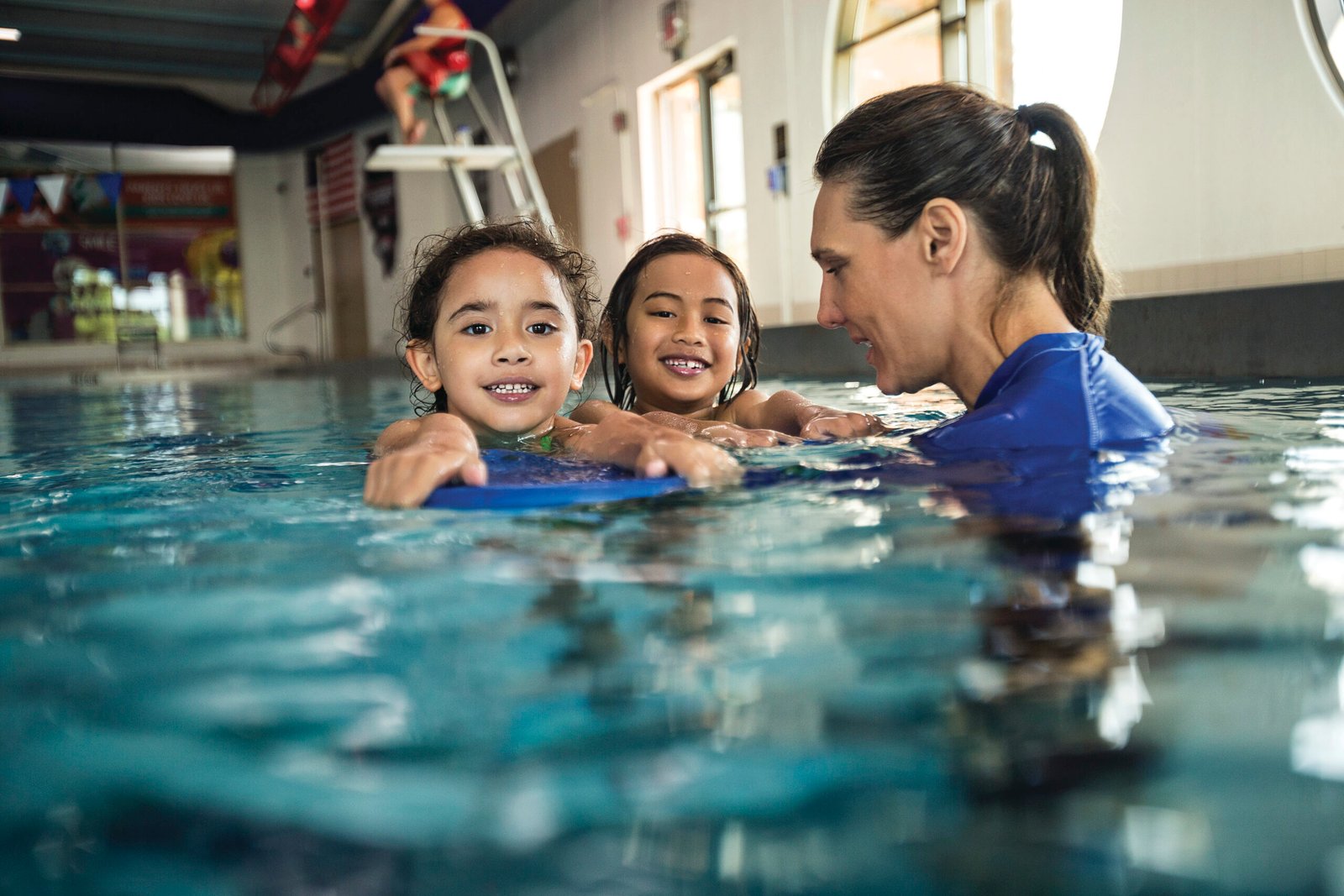
Ask ten parents in Berkshire where their child learns to swim and you’ll get ten different answers. One swears by the leisure centre near the shops. Another drives twenty minutes for a warm school pool. A third has given up on the whole thing after a term of shivering lessons and a toddler who now refuses to get in the bath.
The pool matters more than most people realise. A child who feels cold, crowded or unsure of the water will struggle to learn, however good the teacher is. A warm, safe and supportive environment can help children build confidence and develop their swimming skills.
So what actually makes one of the best swimming pools in Berkshire for a young learner? Based on our experience teaching children locally since 2003, here’s a practical checklist to help you choose the right pool for your child.
Why the Pool Itself Shapes How Quickly Children Learn
Swimming is a life skill, not just a hobby. Swimming is part of the national curriculum in England, and primary schools are expected to teach children to swim at least 25 metres by the end of Key Stage 2. Yet Swim England has reported that roughly a quarter of children still leave primary school unable to do so. That gap is a big reason parents look for extra lessons outside school.
The environment is a large part of whether those lessons work. Three things count most: how comfortable the water is, how easy the pool is to use, and how much attention each child gets. Let’s take them in turn.
1. Water Temperature: The Most Overlooked Factor
If you take only one tip from this article, make it this one. Ask what temperature the water is kept at.
Young children lose body heat much faster than adults. A pool that feels fine to a parent in a jumper can leave a four-year-old shivering within ten minutes. Cold children tense up, hold their breath and stop listening, and that’s the opposite of what you want when you’re teaching floating or breathing.
What’s a Good Temperature for Beginners?
Pools used for young learners are usually kept noticeably warmer than those built for lane swimming. Ours at the Licensed Victuallers’ School (LVS) in Ascot is held at a comfortable 29°C, which suits beginners well. When you visit any pool, ask staff directly, and don’t be shy about dipping a hand in yourself.
2. Pool Design: Depth, Access and Space
A good learner’s pool is about more than size.
Shallow Water for Standing Confidence
Look for a generous shallow end. Children feel braver when they can stand and still have their head above water. Our 25-metre pool starts at just 0.9 metres and stays shallow for the first 10 metres, which gives little ones plenty of room to practise breathing and movement without feeling out of their depth.
Deck-Level Access
A deck-level pool sits flush with the surrounding floor, so there’s no awkward climb in or out. That makes it easier for nervous children, for parents helping a toddler, and for anyone with mobility needs. You can see the layout on our pool page.
Somewhere for Parents to Sit
It sounds minor, but comfortable poolside seating makes a real difference. Parents who can relax and watch tend to be calmer, and children pick up on that. Check whether there’s a viewing area or benches, and whether you’re allowed to stay for the lesson.
3. Class Size and Teacher-to-Child Ratio
Even the most beautiful pool is a poor choice if forty children are crammed in. This is where many families get caught out, because “lessons at a great pool” can still mean a crowded class.
Why Small Classes Win
In a 30-minute lesson, a teacher with a large group has only a few minutes of real attention per child. Small groups let instructors spot a kicking problem, a breath held too long or a flicker of anxiety before it becomes a habit.
At Ascot Swim School, beginner classes are capped at five children, with both a teacher and an assistant in the water throughout. When you’re comparing pools and swim schools, ask for the actual maximum class size, not just an average.
4. Safety and Qualifications: Don’t Skip This Check
When you’re picking a pool for your child, safety and teaching standards are not optional extras. Here’s what to ask any provider:
- Are the teachers properly qualified? Look for recognised teaching qualifications, such as Level 2 from Swim England, the ASA or the STA.
- Are they DBS-checked? Up-to-date checks should be standard for anyone working with children.
- Is there safeguarding training? NSPCC or Swim England safeguarding courses are good signs, and so is a Designated Safeguarding Officer.
- Is there a clear emergency procedure? Staff should be able to explain it without hesitation.
Our teachers all hold Level 2 qualifications, current DBS checks and safeguarding training, and the school has a qualified Designated Safeguarding Officer. You can read more about who we are on our About Us page.
5. A Clear Progression Path
The best pools don’t just let children splash about. They help them move forward in a structured way.
Learn to Swim Awards
A proper programme gives you something to measure. Children can work towards Swim England Learn to Swim awards, from early confidence-building stages to full stroke technique. It keeps goals visible for kids and gives you clear reassurance about progress. See how it works on our awards page.
Age-Appropriate Starting Points
A good school sorts children by confidence and skill, not just age. Our lessons are open to children from 3.5 to 13, and they begin with water confidence for the youngest, then move into beginner skills like floating and submerging, and later into stroke technique and distance.
6. Convenience: A Pool You’ll Actually Keep Going To
Consistency is what builds swimmers. A pool that’s easy to reach, with times that suit your week, is far more likely to become a habit than a “perfect” one that’s a stressful drive away.
Berkshire families often travel in from Ascot, Sunninghill, Bracknell and nearby areas, so think about the school run, traffic on the way and parking. Our lessons currently run on Monday evenings and Sunday mornings in 30-minute slots, and you can check the latest availability on our home page or by getting in touch.
A Quick Checklist for Visiting Any Pool
Take this list along when you’re comparing options:
- What’s the water temperature?
- How shallow is the shallow end, and for how long?
- Is access easy, with no steep steps or slippery transitions?
- What’s the maximum class size?
- Are teachers qualified, DBS-checked and safeguarding-trained?
- Is there a structured award or progression system?
- Can parents watch comfortably?
- Do the lesson times realistically fit your routine?
If a pool scores well on most of these, it’s likely to be a strong choice, whatever its reputation.
What Other Parents Say
Reputation matters, and nothing replaces hearing from families who’ve been through the lessons. Before you commit anywhere, read recent reviews and ask other parents at school for their experiences. You can read feedback from our own swimmers’ families on our testimonials page.
Final Thoughts: The Best Pool Is the One Your Child Looks Forward To
There’s no single answer to which pool is the best in Berkshire, because the right place depends on your child’s age, confidence and your family’s schedule. But the ingredients are consistent: warm water, a shallow and accessible pool, small classes, qualified and checked teachers, and a clear path from first splash to confident swimmer.
If you’re comparing options, come and see ours. Since 2003, we’ve been helping children across Ascot and the surrounding area learn to swim at the LVS pool, and we currently have limited spaces for beginners aged 3.5 and over.
Ready to take the next step? Get in touch with us to book a class or ask any questions, or browse more advice on our blog.