

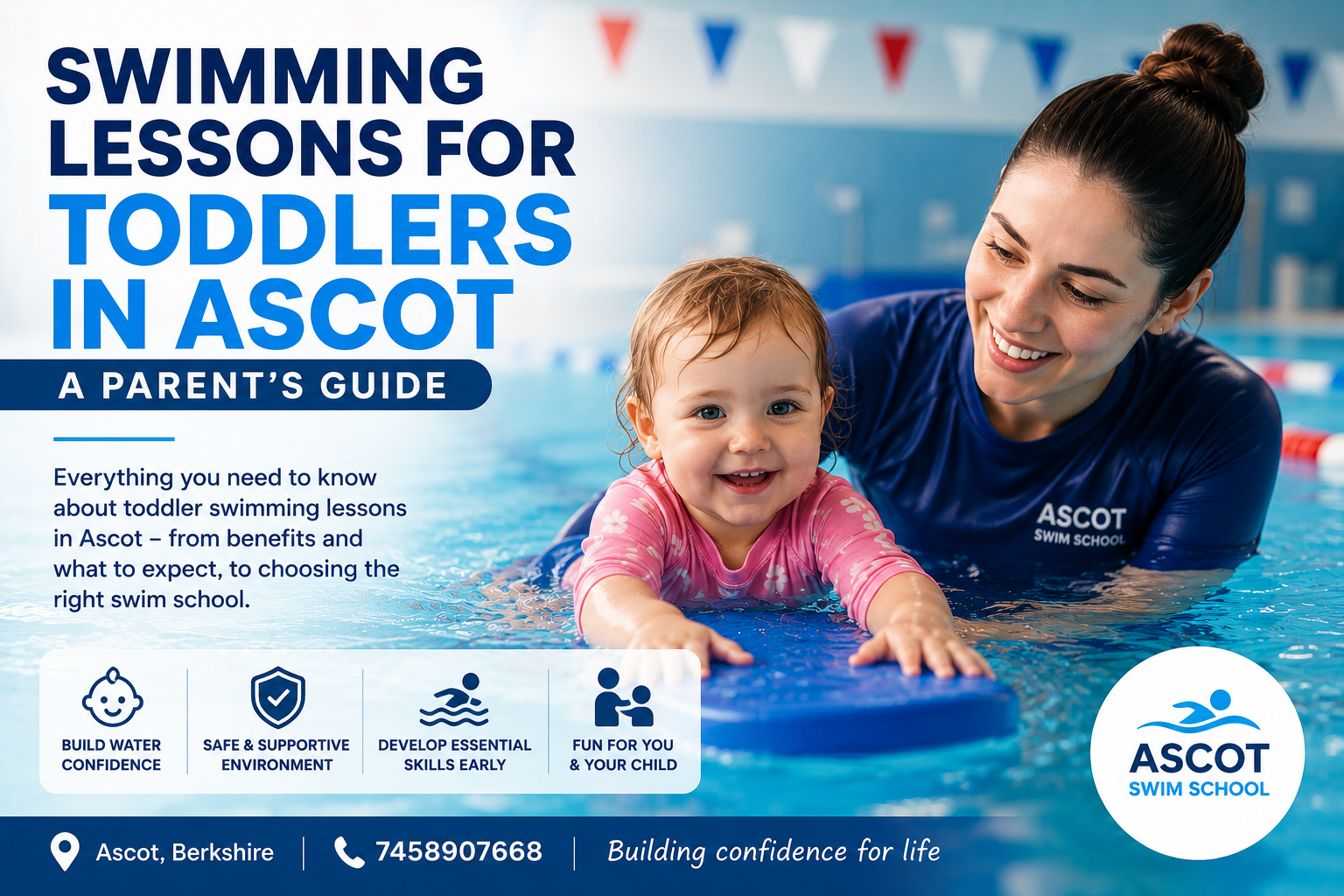
Enrolling toddlers in swimming lessons for the first time comes with a lot of questions. Will they cry? Will they enjoy it? Will the timing be right? If you are looking for swimming lessons for toddlers in Ascot, you are already doing the right thing by thinking carefully about the best way to prepare for your little one’s first time in the water.
You see, early experiences with water and swimming are very important and have a bigger impact than most people think. The confident toddler who starts in the pool calmly and with patience is more likely to become a confident adult in the water than one whose first swimming lesson was a bad experience. This is why, when it comes to choosing a swim school for toddlers, the decision is not just practical but very personal: it shapes the relationship a child has with water for the rest of their life.
This guide aims to help parents understand what is important when choosing between swim schools for toddlers, spot red flags, and ask the right questions.
Why Toddlers Benefit From Swimming Lessons
Toddlers are the age when most people start to learn about water. This is not surprising because they get a way to explore their surroundings. Learning to float, splash, kick, and play in the water all helps their motor skills in unique ways. Like learning to crawl and walk, water confidence is an important part of a toddler’s life.
Besides being good for their body, early swimming lessons also have another role. They help toddlers become familiar with a place where they will spend their time: the sounds of the water, the feeling of floating, and the way movement changes in water are all new and exciting things to discover with the help of a trusted adult. Learning in a warm, child-friendly environment, such as the swimming pool at Ascot Swim School, helps toddlers feel comfortable and secure as they explore the water. On a practical level, toddlers who spend time in the water also learn important water safety skills. They become more confident floating, learn to turn towards the pool wall, and grow more comfortable with having their face under the water.
What to Look For in a Toddler Swim School
Not all swim schools are the same because toddler swimming is very different from types of classes. Here are some important things to think about when choosing a swim school for your toddler.
Instructor Experience With Young Children
It is important to ask how experienced the instructors are with children under five. Instructors who have not worked with toddlers before often make mistakes because they have expectations from their students. Toddlers are very sensitive to the tone of voice, the gestures and the speed of the instructor’s movements.
Small Class Sizes
A group of twelve toddlers is very different from a group of six. A small group gives attention and support which is essential for building a strong foundation for water skills.
When it comes to toddlers one of the ways to see how attentive the instructors are is to look at the class sizes: smaller groups are always better.
A Play-Based Approach
Most toddlers do not learn through instructions. Singing, playing and other fun activities create a better start for building water confidence. And toddlers need that start: confidence in the water is essential for all swimming skills.
So if a swim school makes the toddlers lessons sound like a class it is best to skip that school.
Building Water Confidence Through Play
Confidence in the water does not come from drills, it comes from having fun. The toddler who laughs their way through the class and finishes with a “I did it!” A message from the instructor is more likely to return for the next class. This is why the atmosphere in the class is as important as the content: it affects how quickly and how well confidence is developed.
When choosing a class be careful about how the instructor responds to the toddlers hesitation or negativity. If the instructors slow down. Comfort the child during tough moments rather than push them through the lesson the confidence is much more likely to be positive. The opposite is also true: one instructor’s mistake can undo hours of work.
Water Safety From an Early Age
Confidence and safety go together. The best toddler classes introduce water safety in ways. A typical routine includes learning to hold the pool edge, practising rolling movements towards the pool walls, getting used to being under water on purpose and learning safety words (like stop or wait). All of these help build confidence at an age while also teaching toddlers basic safety habits. As they grow older they can build on these habits to learn advanced water safety skills.
Lesson Progression for Toddlers
The toddler’s progress in the swimming class should be clear and not too fast. Look for a school that can clearly explain what they expect from your toddler in the next few months or years and can clearly tell what the child is expected to do when moving to the next class. At this age progress is mostly about confidence in the water than actual swimming skills. So expect the focus of the toddler’s progress to be on floating for periods of time, becoming comfortable under water and gaining confidence in movements around the pool.
Facilities: Temperature, Cleanliness and Comfort
Toddlers are not as tolerant of temperatures as older children and adults. In fact the pool’s temperature is more important for them than it is for older students. A temperature range that many toddlers find comfortable is much narrower making the pool environment very important for learning. This creates a challenge not for the toddlers’ comfort but also their overall ability to learn as a pool that is too cold is much more stressful for a toddler.
In addition to checking the pool’s temperature it is important to look at the condition of the place. Pay attention to the changing rooms. Look for signs of cleanliness and not being too crowded. Toddlers are more sensitive to noise and chaos than children and adults so a well-organized and less crowded area is needed for a good learning environment.
Questions to Ask Before Enrolling
Asking the questions before making a decision is very important. Here are some things to talk about with the swim school before enrolling your toddler in their classes.
Ask about the instructor’s experience with toddlers, ask how other students the toddler will be with how warm the pool is and what they do to help nervous or upset toddlers. Ask if you can watch your toddlers trial session from the poolside or online if that is possible. Ask how they tell parents about the child’s progress.
A swim school that is confident in its approach to toddler lessons will answer these questions openly and honestly.
Common Mistakes to Avoid
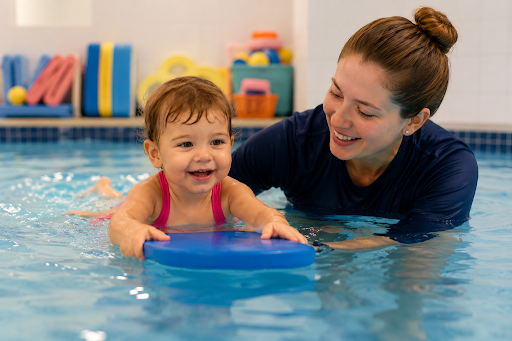
Some mistakes to avoid when choosing a swim school for toddlers include picking an option that has more students choosing a program that promises faster progress ignoring the trial session and picking a local school just because it is close. Taking the time to understand what makes high-quality childrens swim classes in Ascot different can help you choose a program that matches your child’s age, confidence and long-term development. All of these mistakes come from things that parents should think about when looking for a school, for their toddler.